
Decide whether this is a failed handset or unknown access
A remote that stopped working while still in your possession is different from a remote that has disappeared. In the first case, the immediate problem may be the handset, its battery or the connection to the opener. In the second, there is also an access question: someone else may still hold a working control. Tell the supplier which situation applies before ordering a replacement. A new handset by itself does not establish what the old one can still do.
When moving into a Cranbourne home, gather the supplied remotes, keys, keypad information and any opener paperwork before treating the garage handover as complete. A seller or agent may pass on everything they possess while being unable to account for controls issued years earlier. That does not prove misuse, but it is a good reason to review the system. Ask for a controlled access reset suitable for the installed equipment and an inventory of the devices you intend to retain.
If a remote was stolen with information identifying the property, explain that circumstance when seeking help. Consider the security of the house and other entrances as well as the garage. Avoid experimenting with manual locks or disconnecting the opener unless the correct procedure for the equipment is known and the door is safe. Ask a qualified service provider about the appropriate temporary arrangement if access cannot be reviewed promptly. The goal is to make a clear access decision without creating a separate operating hazard.
Identify the receiver, not just the name on the door
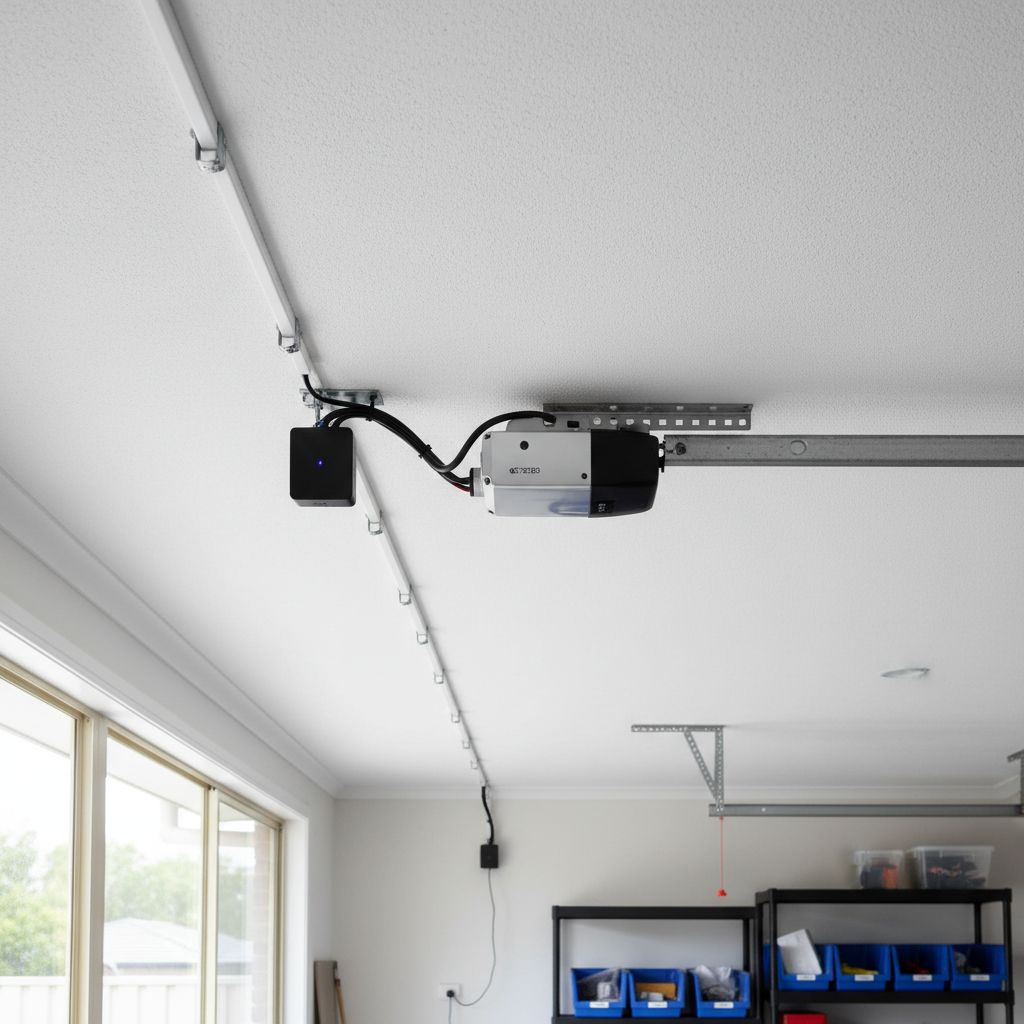
The door manufacturer and opener manufacturer may differ. A door installed years ago may have received a later motor, an external receiver or an aftermarket control module. The badge on the outside panel therefore cannot establish which replacement handset will work. Begin with the opener's exact model and any accessible receiver information. An old invoice or owner manual may be a safer and clearer source than trying to read a small label above a parked car.
Take a photograph only from a safe position. Do not open mains-powered equipment, stand on furniture or put your hands near the moving mechanism to find a number. If the receiver is not identifiable without opening a cover, ask the service provider to inspect it. A supplier can often begin narrowing the options from the visible model information, the existing remote and the installation history, but uncertainty should remain explicit until compatibility is confirmed.
The remote's shape, case colour or button arrangement is not a reliable compatibility test. Similar cases can house controls for different systems, and a replacement sold as universal may support only selected receivers. Ask the seller to name the compatible opener or receiver models and point you to the matching manufacturer instructions. Confirm that the particular version being supplied is included, especially when the existing opener has been replaced or modified.
Also describe every door the handset needs to operate. A double garage with independent doors might have different motors, even where the same handset controls both. A remote that works on one door may require a different approach for the other. For a shared access gate or communal garage, involve the manager responsible for that system rather than assuming you can reset its receiver along with your private door.
Make an access inventory before erasing anything
List the physical controls you want to keep: car remotes, spare handsets, wall-mounted wireless buttons and external keypads. Separate a wired wall control from wireless accessories if you know the difference, but mark uncertain items for the technician. The purpose is to avoid finishing a reset with one family member locked out or a keypad silently omitted. Count what you can physically produce rather than relying on what someone remembers being supplied.
Connected access needs a separate line in the inventory. Record the app name, the household account owner and any people with shared access. Do not send passwords, recovery codes or security answers in an enquiry. Have the account holder available to complete any required actions on their own device. A radio-remote reset and an online-account transfer may be different procedures, so one should not be presented as proof that the other has been completed.
Ask whether there is an added receiver, smart module or vehicle-integrated control. An aftermarket device may provide a separate route to operating the door even after the main opener's remote list changes. You do not need to diagnose the wiring. Tell the technician about known additions and request a review of the complete control arrangement. Keep the inventory tied to the equipment actually present, not to a generic list of features from a brochure.
For a rental property, coordinate the review with the person authorised to manage the garage system. The practical handover should state which controls were supplied and who will retain account administration. If people need access at different times, arrange the reset so those remaining controls can be enrolled and checked together. A planned handover is easier than discovering a missing handset when someone arrives home after the service visit.
Understand what a reset will remove and what it will retain
Different openers have different memory and programming procedures. Some provide a way to remove a particular device; others require clearing a group and enrolling the retained controls again. Do not follow an internet button sequence merely because the opener looks similar. Ask which procedure applies to the exact model and what it will remove before anyone begins. The owner manual should match the model identifier, not just the brand.
Merlin's homeowner support guidance recommends reprogramming after a lost remote and directs users to the appropriate support instructions. Use that principle to frame the service request: you want the missing control's access addressed, not simply another remote added. The method still depends on the opener and any additional receivers in the installation. Avoid assuming a replacement purchase includes that work unless it is written into the scope.
Ask the technician to explain the difference between changing a keypad code, clearing radio controls and changing app access. These may affect different parts of the system. Keep a record of the actions completed, such as the receiver memory cleared, retained controls enrolled and account-sharing list reviewed. Do not put the actual new keypad code or account password on an invoice circulated to other people.
After the review, test every retained control with the installer while the doorway is clear. Verify the intended door responds, especially where one handset controls more than one opening. Check unused buttons if they were assigned to another door or gate. A control that works once in the driveway does not establish that every intended user and device has been restored, so use the inventory as the handover checklist.
Investigate a weak or intermittent handset separately
A handset still in your possession may be intermittent rather than lost. Describe whether another known working control operates the same door, whether the problem happens in one location and whether it began after a change such as new equipment nearby. These observations help the supplier distinguish a single handset issue from a wider receiver or operating problem. They are useful even when you cannot confidently name the cause.
If the owner instructions permit battery replacement, use the specified battery and follow those instructions. Keep small batteries and the opened handset away from children. Do not bend contacts, bridge terminals or substitute a different battery simply because it fits the space. When a new battery makes no difference, tell the supplier what was used and what changed rather than continuing to dismantle the remote. Visible damage, moisture or a sticking button should also be described.
Avoid deciding that the motor is worn out solely because a remote works only nearby. The receiver, remote, interference or installation may need investigation. Equally, do not assume every failure to move is a radio problem. If the opener receives the command but the door struggles, reverses or stops, the door and drive need their own assessment. Stop using an unsafe or visibly damaged door even if the remote problem seems easy to solve.
For a household that parks on the street and approaches a shared driveway, note the normal operating position in the enquiry. A replacement should be assessed under realistic use without promising a universal range. Ask how the provider will confirm reliable operation at the property and what to do if the intermittent fault does not appear during the visit. A written description is more useful than an unsupported promise that a stronger remote solves everything.
Choose a replacement package around the handover you need
Compare the supplied remote, compatibility confirmation, programming and access review as separate items. A retail handset price may cover none of the work at the opener. A service quote may include enrolment but not investigation of an added receiver or a connected account. Ask exactly what is included so the comparison reflects your actual need. If the remote is merely broken and accounted for, a broad security reset may not be necessary; if it is missing, access removal deserves explicit attention.
Do not replace a sound door just because the controls are obsolete. Ask whether a supported receiver or control solution is available for the existing arrangement, and how it would be integrated and supported. If the proposal is to replace the opener, request the specific reason, the compatibility with the door and the owner features included. Keep the mechanical condition assessment separate from a preference for newer connectivity or a different remote design.
At the end of the visit, retain the exact opener and remote model details with the user instructions. Label spare controls by the door they operate without attaching your home address to a portable handset. Record who holds each spare and decide where a household copy of the instructions will live. Someone taking over the property later should be able to tell which controls are current without testing an unexplained drawer full of handsets.
Finish by checking access from the ordinary places the household uses, with the door visible and the path clear. Confirm that everyone knows which button operates which door and how to report a future lost control. The desired result is a documented set of authorised controls and a known owner of any connected account. That is a more complete handover than simply receiving another remote in a plastic bag.